Best Electric Bikes for Hilly Cities in 2026
What Actually Works on Real Climbs
Thousands of e-bike buyers choose the wrong motor for their terrain each year — and discover the problem halfway up a hill when their motor cuts out. This guide explains the failure, the fix, and exactly which bikes work for which cities and grades.
- Why Most E-Bikes Fail on Hills
- Understanding Hill Grade — What the Numbers Mean
- Hub Motor vs Mid-Drive — The Key Decision
- Battery Size for Hilly Riding
- Our Top Picks for Hilly Cities
- City-Specific Hill Guide
- How to Evaluate a Hill-Climbing E-Bike
- Decision Matrix — Which Motor for Your Terrain
- Frequently Asked Questions
The Hill Problem — Why Most E-Bikes Fail Riders in Hilly Cities
A rear hub motor on a 500W e-bike can handle moderate hills up to 6% grade without overheating. On a 10% grade for more than half a mile in warm weather, that same motor will hit its thermal protection threshold and cut power — leaving you pedalling a 55 lb bike uphill with no assist while the motor cools down. This failure mode is real, well-documented, and entirely avoidable if you know the terrain you're riding before you buy.
Every year thousands of buyers in Birmingham, AL, Flagstaff, AZ, Oakland, CA, and Fayetteville, AR buy flat-city e-bikes and discover the mismatch the hard way. This guide prevents that. Also read our complete commuting guide for the full picture of choosing a commuter e-bike.
Understanding Hill Grade — What the Numbers Actually Mean
Most e-bike articles cite grade percentages without anchoring them to real experience. Here's the reference that fills that gap.
Real city grades for context: Birmingham/Hoover AL Red Mountain area: 8–12% sustained; Flagstaff AZ urban grades: 5–10%, mountain access roads 12–15%; Fayetteville AR Ozark hills: 6–10%; Oakland CA flatlands: 2–4%, Oakland Hills: 8–15%; Laramie WY and Jackson WY: 4–8% urban, mountain access 10%+.
The Two Motor Types — The Most Important Decision for Hilly Riders
Hub Motors — What They Are and Where They Work
The motor sits in the wheel hub and drives the wheel directly. Simple, low maintenance, affordable, and perfectly adequate for flat cities and moderate grades. The limitation: an electric motor running at low RPM under heavy load generates maximum heat and minimum efficiency. On a steep climb the wheel slows, the motor slows, current spikes, heat builds. On a short climb this is fine. On a sustained 10% grade climb, it's the thermal shutdown scenario described above.
Flat cities (Long Beach, CA, Tucson, AZ, Bakersfield, CA, Stockton, CA, Dothan, AL, Decatur, AL), occasional gentle climbs, riders who want simplicity and lower price. On flat terrain, hub motors are excellent.
Mid-Drive Motors — Why They Dominate on Hills
The motor sits at the crank and drives through the bike's gear system. On a steep climb, a 500W mid-drive can outperform a 1000W hub motor because it multiplies torque through the drivetrain — the motor runs at efficient RPM even when the wheel is turning slowly. Mid-drives also get 20–40% more range from the same battery on hilly terrain because they operate at higher efficiency under load.
On hills steeper than 8–10% for sustained durations (3+ minutes), hub motors can hit thermal protection shutoffs. When this happens the motor cuts assist completely until it cools down. You are left pedalling a heavy e-bike uphill with zero help. This is not a defect — it's a safety feature preventing motor damage. The solution is choosing mid-drive for hilly terrain in the first place.
Birmingham, AL, Hoover, AL, Flagstaff, AZ, Oakland CA hills, Fayetteville, AR, Bentonville, AR, Anchorage, AK, and all Wyoming mountain cities.
Torque Sensors vs Cadence Sensors
Torque sensors measure how hard you're pushing and respond proportionally — the motor gives more exactly when you need it most (on steep sections). Cadence sensors only detect whether you're pedalling, delivering the same flat assist whether you're climbing or descending. On hills, torque sensors deliver smoother, more efficient, and more natural assist. A torque-sensor hub motor can outperform a cadence-sensor mid-drive on real hills.
Torque (Nm) — The Spec That Matters More Than Watts
Wattage tells you the power ceiling; torque tells you the climbing capability. 80Nm handles moderate hills (5–8%). 100Nm+ is for steep sustained terrain. A 500W mid-drive with 85Nm can outperform a 1000W hub motor on a mountain trail because torque is what pushes you up — wattage is just the rate of energy use.
Battery Size for Hilly Riding — Why You Need More Than You Think
Hills consume 2–3× more Wh per mile than flat riding at the same speed. This is the most consistently underestimated factor in hilly city e-bike selection.
See our complete range guide for the Wh formula and how to calculate your real-world range on any terrain.
Best Electric Bikes for Hilly Cities in 2026 — Our Top Picks



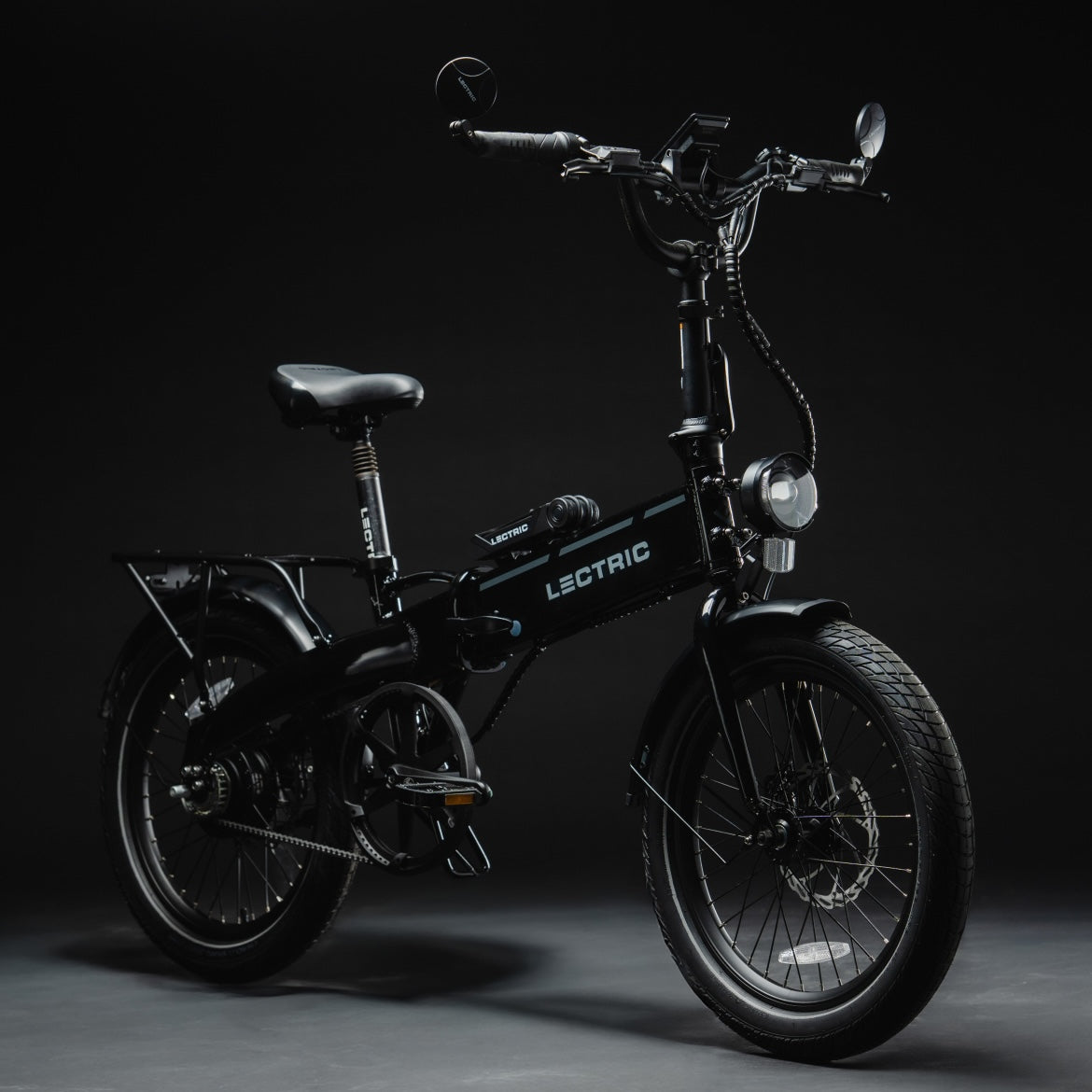
Hilly Cities — What Riders in These Locations Actually Need
Red Mountain and Shades Mountain create 8–12% sustained grades on key commuting corridors. A mid-drive or high-torque hub motor (750W+) is required for reliable daily riding. Fat tyre option recommended if riders also want Red Mountain trail access on weekends.
At 7,000 ft elevation, even "flat" sections feel harder due to thinner air. Urban grades: 5–10%; mountain access roads: 12–15%. Mid-drive strongly recommended. The altitude alone adds 10–20% extra effort versus sea level — factor this into battery selection (600Wh minimum).
Ozark foothills with 6–10% grades throughout residential areas. The Razorback Greenway has gentle grades on paved sections but residential streets are genuinely hilly. Mid-drive or strong torque-sensor hub handles NWA riding well. For OZ Trails singletrack access, Class 1 mid-drive is the only viable choice.
The East Bay flatlands and Bay Trail: ideal hub motor territory, 2–4% grade. Oakland Hills (Skyline Blvd and approaches): 8–15%. Riders who stay in the flats don't need mid-drive. Riders who explore the hills need it. Know your route before you buy.
Coastal corridors are flat; Kincaid Park and Chugach access roads involve significant grade. Winter adds traction demand on top of grade demand — a fat tyre mid-drive is the ideal Anchorage year-round e-bike. Cold weather reduces battery range 15–25%; add this to the hill range penalty for battery sizing (600Wh+ minimum).
Wyoming's mountain cities range from moderately hilly (Laramie's 7,165 ft plains) to genuinely alpine (Jackson's 6,237 ft valley surrounded by 13,000 ft peaks). Urban grades: 4–10%; trail and mountain access: 10–20%+. Mid-drive, 600Wh+ battery, and wide-range gearing are the recommended specification across all Wyoming mountain locations.
How to Evaluate a Hill-Climbing E-Bike Before You Buy
Seven questions to ask before purchasing any e-bike for hilly terrain:
The Honest Hill-Climbing Decision Matrix
Frequently Asked Questions
What electric bike is best for steep hills?+
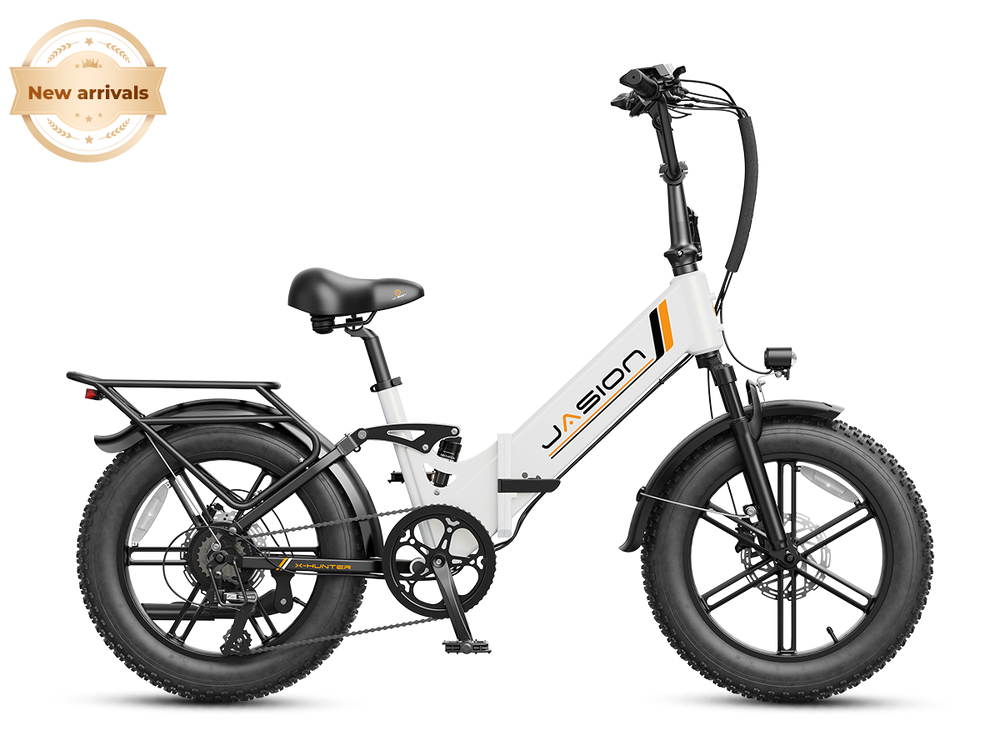
For sustained grades above 8–10%, a mid-drive motor with 80Nm+ torque is the clear recommendation. The Aipas M2 Pro Xterrain (1800W, 110Nm) and Jasion X-Hunter ST (750W/1400W peak, 85Nm) are EBikesCompany's strongest hill performers. For moderate hills (5–8%) a high-powered hub motor such as the HIDOES B6 (700W) is adequate.
Can electric bikes go up steep hills?+
Yes — but motor type and torque matter enormously. Most e-bikes handle grades up to 6% easily. For grades above 8–10% you need either a high-torque hub motor (750W+) or a mid-drive motor. Above 12–15% sustained grades, mid-drive is effectively required. A 500W cadence-sensor hub motor on a 10% grade for more than half a mile will overheat and cut power in warm conditions.
Do I need a mid-drive motor for hills?+
Not always — it depends on your grade. For grades under 7%, a quality 750W hub motor handles the climb without overheating. For sustained grades above 8–10%, mid-drive motors are significantly more reliable and efficient. The key distinction: mid-drive multiplies torque through the bike's gears; hub motors don't have this advantage and generate maximum heat at low RPM under heavy load.
What is a good motor wattage for hills on an e-bike?+
750W nominal is the minimum recommended for riders who face regular hills. For steep terrain (8%+), torque (Nm) matters more than wattage — a 500W mid-drive with 80Nm+ can outperform a 1000W hub motor on sustained climbs. Look for both watts and Nm when evaluating hill performance.
How much does riding uphill reduce e-bike range?+
Significantly — climbing consumes 2–3× more Wh per mile than flat riding at equivalent speeds. If your flat-terrain estimate is 40 miles real-world range and your route has sustained 10% grade climbs, plan for 25–30 miles instead. For mountain towns (Flagstaff, Anchorage, Bentonville, Jackson WY), 600Wh+ is the practical battery floor for daily riding.
Will my e-bike motor overheat on hills?+
Hub motors can overheat on sustained steep grades. On a 10% grade for more than half a mile, a 500W hub motor in warm weather will trigger thermal protection and cut power — leaving you to pedal a 55 lb bike uphill without assist. Mid-drive motors are significantly less prone to this because they operate at higher RPM through the bike's gears rather than turning slowly under maximum load.
What torque do I need for hill climbing on an e-bike?+
80Nm is solid for moderate hills (5–8% sustained grade). 100Nm+ is recommended for steep terrain exceeding 10–12%. The Aipas M2 Pro delivers 110Nm — one of the highest in EBikesCompany's range and the standout choice for genuinely mountainous terrain.
Is a hub motor or mid-drive better for hills?+
Mid-drive is better for sustained steep hills (8%+). Hub motors are perfectly adequate for flat cities and moderate grades under 7%. The key reason: mid-drive motors multiply torque through the bike's gears, maintain higher RPM under load, and generate significantly less heat on sustained climbs. Don't overspend on mid-drive for a flat city — but don't choose hub motor for mountain terrain.
What is the steepest grade an electric bike can climb?+
A high-torque mid-drive (80Nm+) can tackle grades up to 30–35% in theory, though most riders won't attempt more than 20% on public roads. Real urban cycling routes rarely exceed 12–15% for sustained sections. San Francisco's steepest streets hit 17–31% but most urban cycling infrastructure stays under 12%.
Can an e-bike handle San Francisco hills?+
Yes — San Francisco's urban cycling routes typically stay under 12% sustained grade, which is within mid-drive territory. For the famous steep tourist streets (17–22%), a high-torque mid-drive or high-powered hub motor (750W+) is needed. The key is sustained climbing ability — the Aipas M2 Pro (110Nm) or Jasion X-Hunter ST (85Nm, 1400W peak) handle San Francisco's real cycling infrastructure confidently.
What e-bike is best for Birmingham Alabama hills?+
Birmingham's Red Mountain and Shades Mountain create 8–12% sustained grades on key commuting corridors. A mid-drive or high-torque hub motor (750W+) is needed for reliable daily riding in these suburbs. See our Birmingham, AL city page and Hoover, AL page for terrain-specific product suggestions.
Do fat tyre e-bikes climb hills better?+
Not inherently — fat tyres don't improve climbing on hard surfaces. What fat tyre e-bikes bring is stability on loose or soft terrain during climbs (gravel, dirt, mixed surface). For pure pavement hill climbing, a mid-drive with standard or semi-fat tyres is more efficient. For mixed terrain hill climbing (Flagstaff mountain access roads, Wyoming ranch paths), a fat tyre mid-drive is the versatile choice.
Shop Hill-Ready E-Bikes at EBikesCompany
All bikes specified with motor type, wattage, and torque. Ships from US, UK & AU warehouses. Not sure which motor is right for your route? WhatsApp us.
Questions? WhatsApp us
📚 More from the Blog▾
More Reading
All articles →Essential reading for every e-bike rider.
Essential reading for every e-bike rider.
Essential reading for every e-bike rider.